
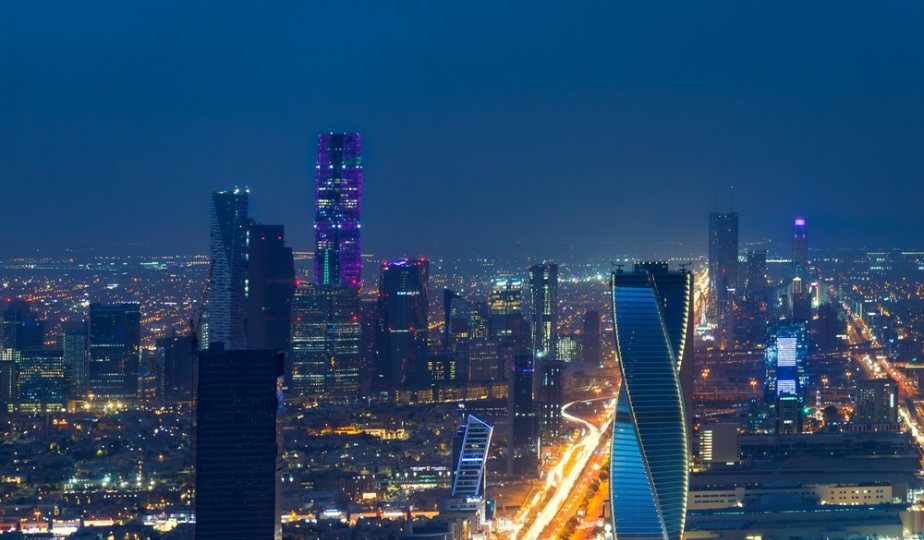
Saudi Arabia’s GDP grew by 3% in the first quarter of 2026, highlighting the Kingdom’s continued efforts to diversify its economy beyond oil. This positive economic trend reflects the impact of government reforms, strong non-oil sector performance, and increasing private sector activity.
This FAQ guide answers common questions about Saudi Arabia’s economic growth and what it means for businesses, investors, and the global economy.
What’s the Latest on Saudi Arabia’s Economy?
Saudi Arabia’s GDP increased by 3% in the first quarter of 2026 compared with the same period in the previous year. The growth reflects the continued strength of non-oil activities, government investment, and economic diversification initiatives.
The Kingdom has been actively expanding sectors such as tourism, technology, manufacturing, logistics, renewable energy, and entertainment while maintaining its position as one of the world’s leading energy producers.
What Made the Saudi Arabian Economy Grow by 3%?
Several factors contributed to Saudi Arabia’s economic expansion.
Robust Non-Oil Sector Growth
The non-oil economy continues to serve as a major engine of growth. Industries such as construction, hospitality, retail, banking, and technology have experienced sustained development.
Government programs have encouraged private sector investment and entrepreneurship, creating new opportunities across multiple industries.
Vision 2030 Reforms
Saudi Arabia’s Vision 2030 strategy aims to create a more diversified economy and reduce reliance on oil revenues.
Key investment areas include:
- Smart cities
- Tourism
- Digital transformation
- Sustainable energy
- Infrastructure projects
- Culture and entertainment
These reforms continue to attract both domestic and international investment.
Rising Government Spending
Public spending on major projects and infrastructure development has stimulated economic activity and supported job creation.
Large-scale projects have increased demand across construction, engineering, transportation, and service industries.
Expansion of Private Sector Activity
The private sector has become an increasingly important contributor to economic growth.
Business-friendly policies, regulatory reforms, and foreign investment initiatives have encouraged companies to expand their operations within the Kingdom.
Why Is the Non-Oil Economy Important?
Saudi Arabia’s non-oil economy is becoming one of the Kingdom’s strongest sources of growth.
For decades, oil revenues formed the backbone of the economy. Today, diversification efforts are helping create a more balanced and sustainable economic model.
Major non-oil sectors include:
- Tourism
- Banking
- Technology
- Manufacturing
- Healthcare
- Logistics
- Real estate
- Renewable energy
- Mining
Growth in these industries helps create jobs and reduces exposure to fluctuations in global oil prices.
What Is Vision 2030?
Vision 2030 is Saudi Arabia’s long-term economic transformation strategy.
The program aims to modernize the economy, increase private sector participation, attract foreign investment, and improve quality of life.
Its key objectives include:
- Diversifying national income sources
- Building world-class infrastructure
- Supporting innovation and technology
- Expanding tourism
- Increasing employment opportunities
- Encouraging entrepreneurship
The recent 3% GDP growth demonstrates continued progress toward these goals.
How Does Economic Growth Affect Businesses?
Economic growth creates a favorable environment for businesses operating in Saudi Arabia.
Companies may benefit from:
- Higher consumer spending
- Increased investment opportunities
- Improved infrastructure
- Growth of emerging industries
- Better access to financing
- Enhanced government support programs
Saudi Arabia’s strategic location and large consumer market also make it an attractive destination for international companies seeking regional expansion.
What Does This Mean for Foreign Investors?
Foreign investors typically seek stable and growing economies.
Saudi Arabia’s economic growth may strengthen investor confidence due to:
- Ongoing economic reforms
- Long-term diversification strategies
- Government commitment to growth
- Expansion of non-oil industries
- Large-scale infrastructure investments
The Kingdom continues to introduce initiatives that make investing easier and more attractive for global businesses.
What Role Does the Oil Industry Still Play?
Although Saudi Arabia is diversifying its economy, oil remains a critical pillar of economic activity.
Oil exports continue to generate substantial government revenue and support public spending.
However, the Kingdom’s long-term goal is to balance oil wealth with the development of industries capable of sustaining growth over the coming decades.
This approach helps reduce vulnerability to volatility in global energy markets.
Which Industries Are Growing the Fastest?
Several sectors are experiencing rapid growth.
Tourism
Saudi Arabia is investing heavily in cultural attractions, entertainment destinations, and luxury resorts to attract international visitors.
Technology
Digital transformation initiatives are driving innovation, startup growth, and artificial intelligence development.
Construction
Mega infrastructure projects continue to fuel demand for engineering, construction, and related services.
Renewable Energy
The Kingdom is investing in solar power and clean energy projects as part of its sustainability objectives.
Logistics
Saudi Arabia aims to become a global logistics hub connecting Asia, Europe, and Africa.
How Does Saudi Arabia Compare With Other Regional Economies?
Saudi Arabia remains one of the largest economies in the Middle East.
Its strong position is supported by:
- Significant energy resources
- Economic reforms
- Strategic investments
- Ongoing diversification efforts
- Expanding private sector activity
Major infrastructure projects continue to strengthen the Kingdom’s regional competitiveness.
What Challenges Could Affect Future Growth?
Despite strong progress, several challenges remain.
Potential risks include:
- Global economic uncertainty
- Oil price volatility
- Inflationary pressures
- International trade disruptions
- Geopolitical developments
However, ongoing diversification efforts are designed to reduce the long-term impact of these external factors.
How Does Economic Growth Benefit Saudi Citizens?
Economic growth can improve quality of life by creating opportunities and supporting national development.
Potential benefits include:
- More employment opportunities
- Improved public services
- Better infrastructure
- Increased business activity
- Growth in education and technology sectors
- Greater investment in healthcare and tourism
These improvements contribute to Saudi Arabia’s long-term development goals.
Is Saudi Arabia Becoming Less Dependent on Oil?
Yes. Saudi Arabia is actively working to reduce its dependence on oil through economic diversification.
While oil remains important, sectors such as tourism, technology, manufacturing, and renewable energy are playing a growing role in the economy.
The continued expansion of non-oil industries is one of the clearest indicators of this transformation.
Saudi Arabia’s 3% Economic Growth: What It Means for the Future
The first-quarter 2026 GDP increase suggests that Saudi Arabia’s economic reforms continue to deliver results.
The Kingdom is building a more diversified and resilient economy that combines its traditional energy strengths with emerging opportunities in:
- Innovation
- Tourism
- Technology
- Manufacturing
- Private enterprise
If current trends continue, Saudi Arabia could further strengthen its position as one of the leading economic and investment destinations in the Middle East.
Voice Search Frequently Asked Questions
Did Saudi Arabia’s economy expand in 2026?
Yes. Saudi Arabia’s GDP grew by 3% in the first quarter of 2026.
What is driving Saudi Arabia’s economic growth?
Growth is being supported by non-oil sectors, government reforms, infrastructure investments, and Vision 2030 initiatives.
What is Saudi Arabia’s Vision 2030?
Vision 2030 is the Kingdom’s long-term strategy to diversify the economy and reduce dependence on oil revenues.
Which sectors are contributing most to Saudi Arabia’s growth?
Key growth sectors include tourism, technology, construction, logistics, manufacturing, finance, and renewable energy.
Should investors consider Saudi Arabia?
Saudi Arabia’s economic reforms, expanding private sector, and long-term development projects continue to attract both regional and international investors.
Final Thoughts
Saudi Arabia’s 3% GDP growth in the first quarter of 2026 highlights the country’s progress toward building a more diversified and sustainable economy. Strong non-oil sector performance, continued Vision 2030 reforms, and increasing private sector participation are reshaping the Kingdom’s economic future.
As Saudi Arabia continues its economic transformation, new opportunities are emerging for businesses, investors, and global markets, reinforcing the Kingdom’s growing importance in the international economy.
Also Read:
Meet the World’s 5 Youngest Self-Made Billionaires
Stay Informed with the Latest Middle East Business Insights
Real-Time Updates on Saudi Arabia, UAE, Qatar & Kuwait Markets